
Les Vendanges

beverageretailgroup • September 1, 2026

Champagne Picked in August This Year and Lost Half the Crop

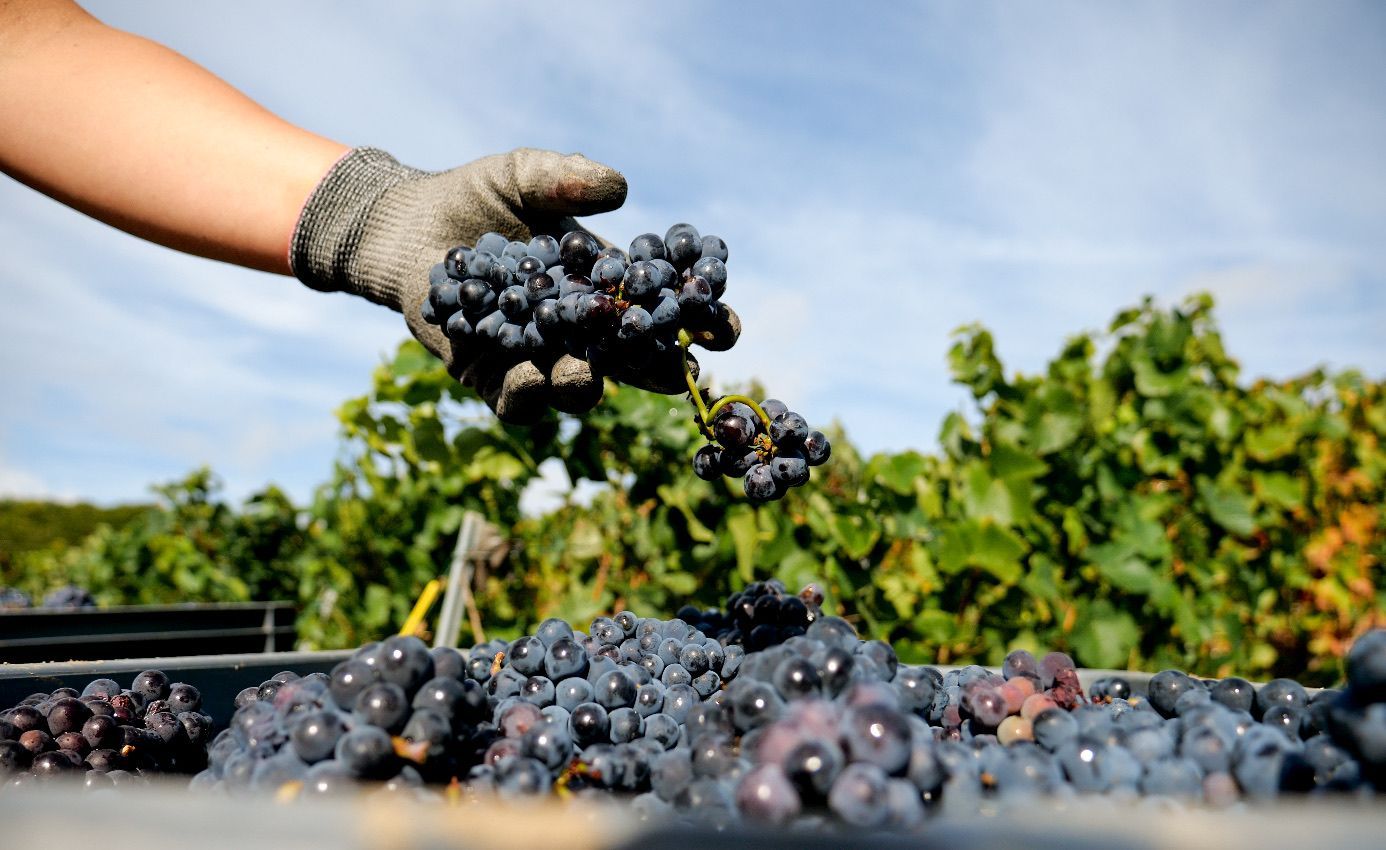
The first grapes of the 2026 harvest came off the vine on August 6, in a handful of parcels picking under dispensation, several of them in the Aube. The ban des vendanges, the order that fixes the earliest date anyone may legally pick, was issued by préfectoral decree on August 12 on the Comité Champagne's proposal and after INAO review, with start dates staggered by commune and grape variety out to August 22. Picking became general across the region from August 17, around two weeks earlier than 2025. It is the earliest harvest ever recorded in Champagne.


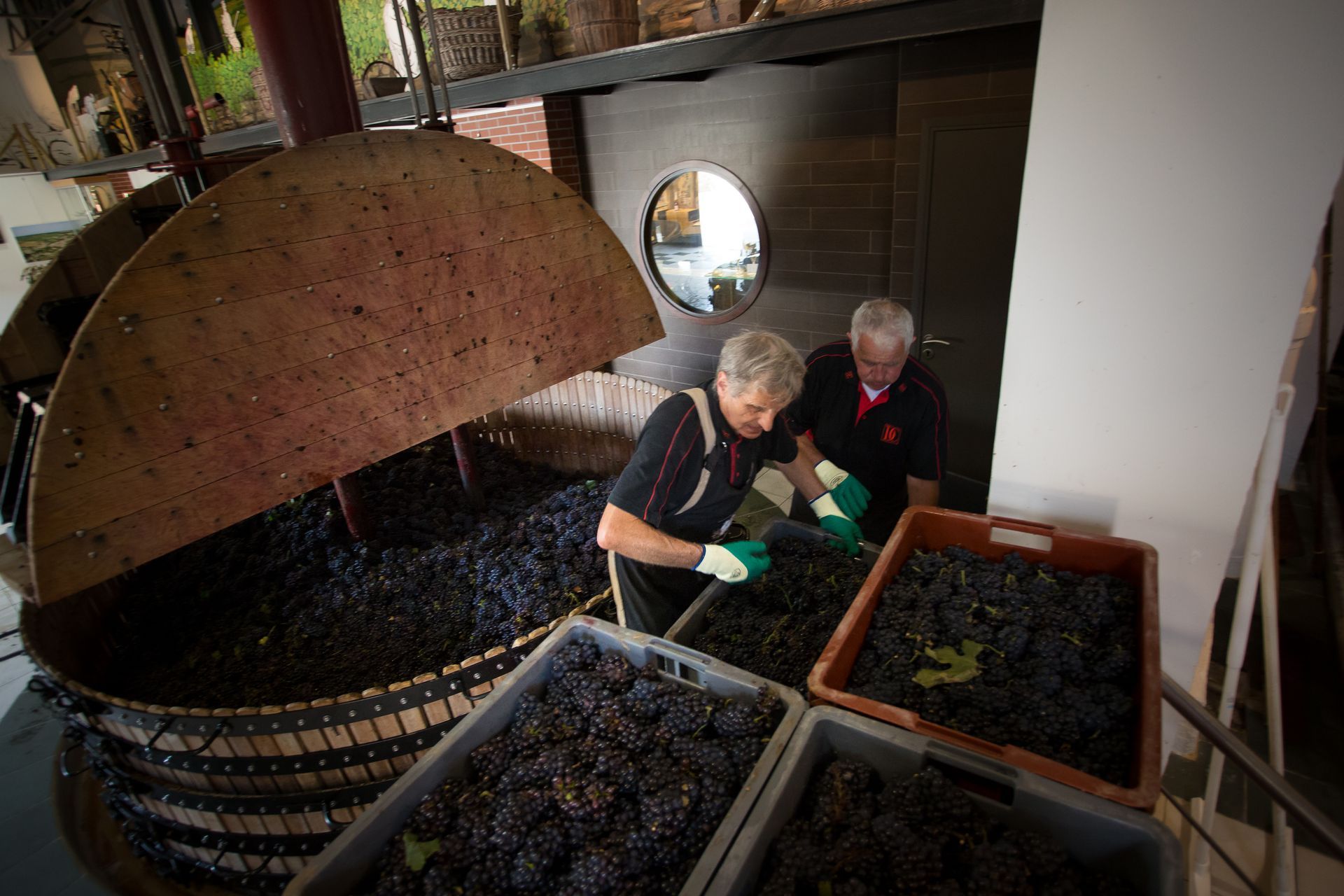
One house, Barons de Rothschild, began on August 13 and finished on August 27, starting and completing an entire Champagne harvest inside a single August for the first time in its history. It brought in 6,000 kilograms per hectare.


For most of the last century, picking in Champagne ran from late September into October. This year the fruit was in the press before Labor Day.


That is the part of the story that will get written up as a curiosity. The part that matters is what came in with it, which is roughly half of what a normal year produces.

How the vintage fell apart


The season started warm. An unusually mild late winter and early spring pushed budburst two to three weeks ahead of schedule, which put young shoots out in the open earlier than they should have been.

Then came the frost. Three separate episodes hit the region beginning in late March, the most destructive series since 2003, and they took an average of about 40 percent of the early buds. Damage was wildly uneven. Less affected sectors lost a quarter. The northerly Aisne lost as much as 85 percent.

At that point the working assumption across the region was a small crop of decent fruit. Then the summer arrived and made it worse. France recorded its hottest summer on record. Champagne got five heatwaves and almost no rain. Vines shut down, berries stayed small, and whatever the frost left behind, the drought shrank.


The compression at the end was brutal. Ripening ran three to four weeks ahead of a normal cycle. Sugar climbed fast while acidity dropped, which gave growers a narrow window to pick fruit that was ripe but still had the backbone Champagne depends on. Crews worked at dawn and at night to bring in cool fruit and avoid oxidation before pressing.


The sugar levels then did something no Champagne harvest has done before. Champagne is normally capped at 13 percent alcohol under INAO appellation rules. Concentrations in the 2026 fruit ran high enough that the French government granted a temporary exemption allowing grapes destined for Champagne to reach up to 15 percent potential alcohol, and the Comité Champagne announced it has been authorised to market bottles above the 13 percent ceiling. That has never happened before. The bottles are years away from release, but if you have been told Champagne is a reliably low alcohol wine, hold that thought loosely for this vintage.

The numbers


On September 7 the French agriculture ministry's statistics office, Agreste, published its first national forecast. Production of AOC Champagne from the 2026 harvest is projected at 1.24 million hectolitres, down 49 percent from 2025 and 47 percent below the five year average. Counting the wider Champagne basin, output falls 48 percent, from 2.57 million hectolitres to 1.34 million. No other French wine region comes close to that.


Nationally, France is forecast to make about 33.8 million hectolitres, down 6 percent on 2025 and 17 percent below the 2021 to 2025 average. Agreste places that among the weakest harvests of the last thirty years. You will also see it described as the smallest since 1957, a comparison drawn from OIV series that holds only if a September 1 forecast made over a partly unpicked crop turns out to be right.


Here is the figure that matters most to a farmer. Maxime Toubart, president of the Syndicat Général des Vignerons and co-president of the Comité Champagne, confirmed on September 9 that the agronomic yield came in at roughly 7,000 kilograms per hectare. In 2025 it was 9,900.

Set that against what the region had planned for. On July 23, the Comité Champagne set the marketable yield for 2026 at 8,800 kilograms per hectare, equivalent to roughly 250 million bottles. It was the fourth consecutive annual cut, down from 9,000 in 2025, 10,000 in 2024, 11,400 in 2023 and 12,000 in 2022. Those reductions were deliberate inventory management. Shipments have been soft since the pandemic and the region has been working stock back down.


But the July ceiling was set before anyone knew how bad the vineyard damage really was, and the vineyard came in nearly 1,800 kilograms per hectare under it. Growers were handed a cap most of them could not reach.

Why the shelves will look normal anyway


You will not see a Champagne shortage this Christmas, and anyone telling you to buy now before it runs out is selling something.


Champagne is built to absorb exactly this. Non vintage Champagne is blended across multiple years by design, and the region operates a formal buffer called the Réserve Individuelle. In generous years a grower can press additional juice beyond the marketable cap and hold it back, up to a ceiling of 10,000 kilograms per hectare. In thin years they draw it down. The large houses sit on enormous reserve stocks on top of that, which is the entire mechanism behind a consistent house style.


So the bottle you open in December will taste the way it always does, and there will be plenty of it.

Who actually absorbs the loss


The reserve protects the supply of finished wine. It does not protect the farmer's income.


A grower's revenue in a given year comes down to kilos harvested. A grower who does not reach the permitted level cannot make up the missing fruit later. There is no second crop. Meanwhile the cost base does not move. The tractor payment, the vineyard labor, the crop insurance, the equipment finance and the cellar overhead all stay exactly where they were in a full year. Fewer kilos spread across the same fixed costs means a higher cost per bottle and a smaller check. And harvest itself got more expensive this year, not less, because the compressed picking window forced growers to mobilize crews faster and work unusual hours.


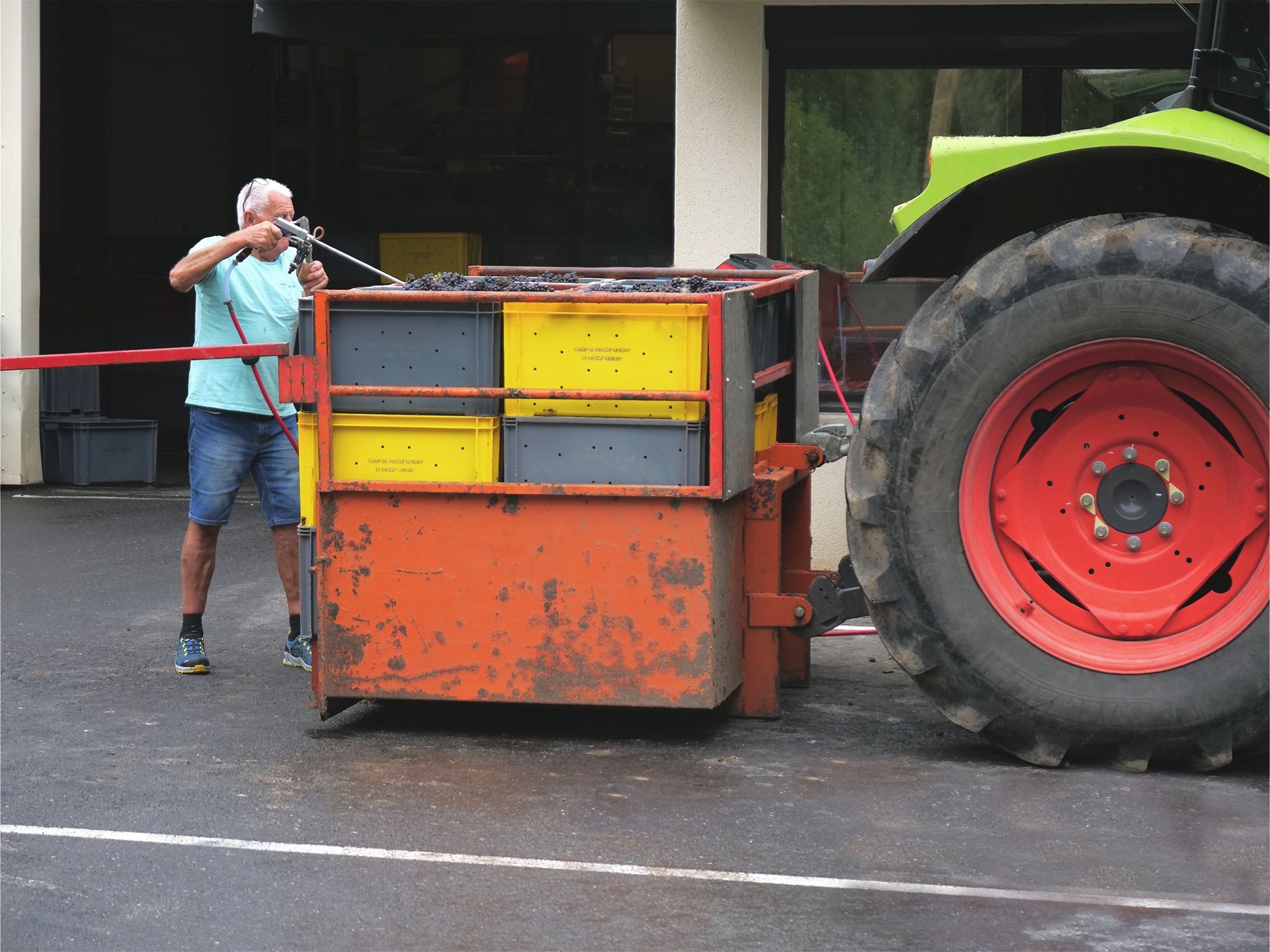
The region brings in close to 100,000 seasonal workers every harvest, coordinated through an industry program run with public authorities. This year they were called in early, for a shorter run, on less fruit, in extreme heat that forced operators to shift working hours and add prevention measures.


The pressure lands hardest on the récoltant-manipulant, the independent grower who farms the fruit and bottles the wine under their own name. Christine Sévillano of Piot-Sévillano, who heads the Vignerons Indépendants de la Champagne, argued back in July that even the 8,800 figure put real strain on independent growers, and especially on the roughly 170 producers who vinify everything they farm. Reserves have already been drawn on in recent difficult years, which means the cushion going into 2026 was thinner than the 10,000 kilogram ceiling suggests. A large house with a deep cellar and a purchasing budget can ride out a year like this. A family farming eight hectares cannot do it indefinitely.


One more thing worth saying plainly. This was not a quality disaster. Fruit came in healthy, with good maturity balance and no meaningful disease pressure. The Comité Champagne has gone further than that, saying the musts recall several great historic vintages of the twentieth century and naming 1921, 1947 and 1959, while acknowledging it is too early for a definitive verdict. Take the comparison for what it is, which is an industry body describing juice in tank. The wines get judged when the base wines are tasted this winter, and whether 2026 is declared as a vintage will take years to sort out.

What we would tell you to do about it


Nothing dramatic. Prices at retail are not going to move because of this harvest, and if they do move, it will be years from now and for other reasons.


But there is a version of the next decade where harvests like 2026 stop being exceptional, and the producers who disappear first are the small independent ones with no corporate cellar behind them. If you like the idea of Champagne being made by families on their own land rather than assembled at scale from purchased fruit, the way to support that is unglamorous. Buy grower Champagne. Buy it this autumn, buy it in a month when nothing is being celebrated, and buy it from people who can tell you whose vines it came from.


That has been our argument here since the beginning. This year it comes with a sharper edge.

— Pops

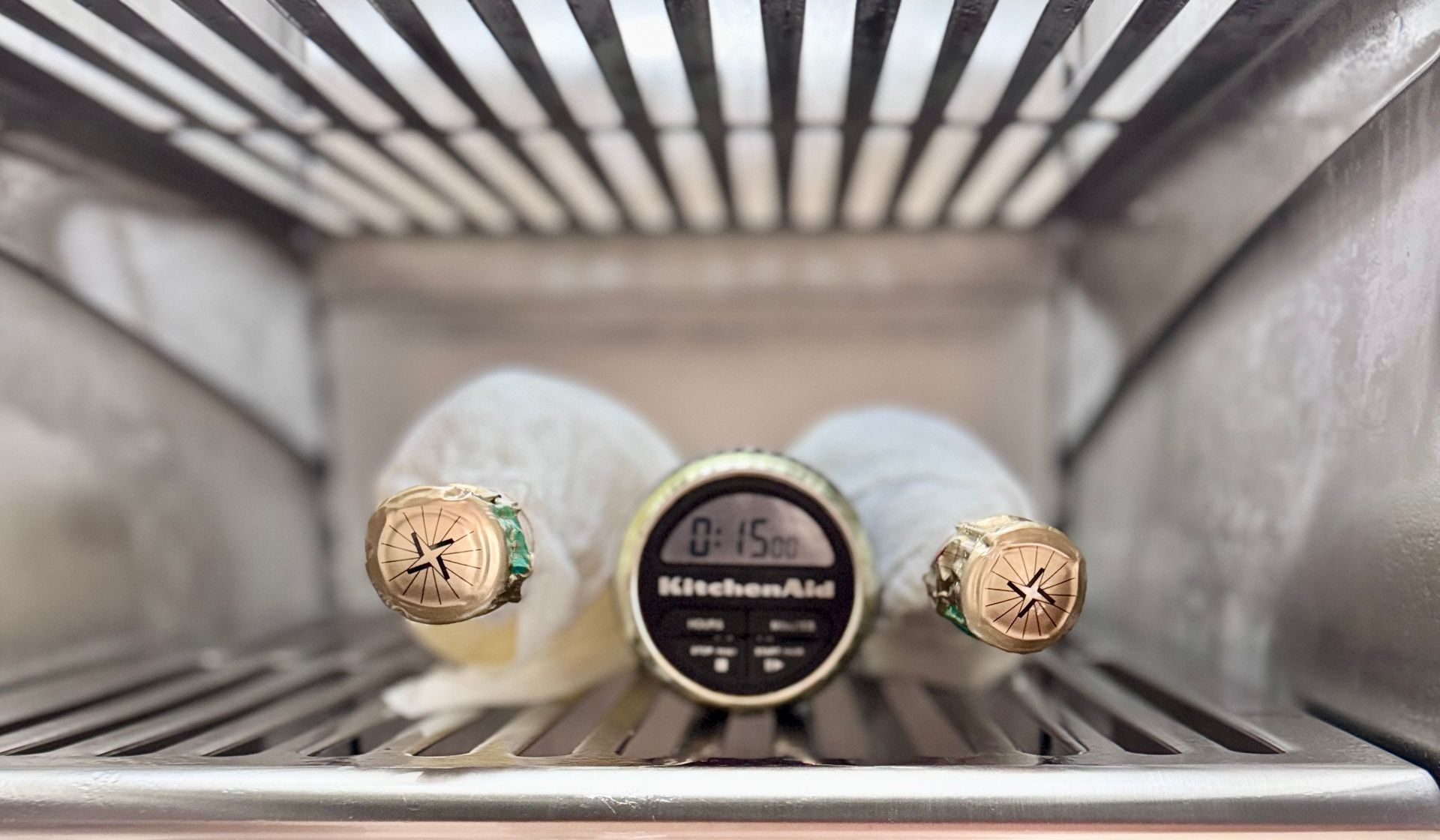
Champagne bottle wrapped in wet paper towel in the freezer with a 15 minute timer for fast chilling.
August 4, 2026
The fastest, safe ways to chill champagne in summer heat, plus the serving temperature most people get wrong. Straight from Pops at Champagne Tuesday.
July 7, 2026
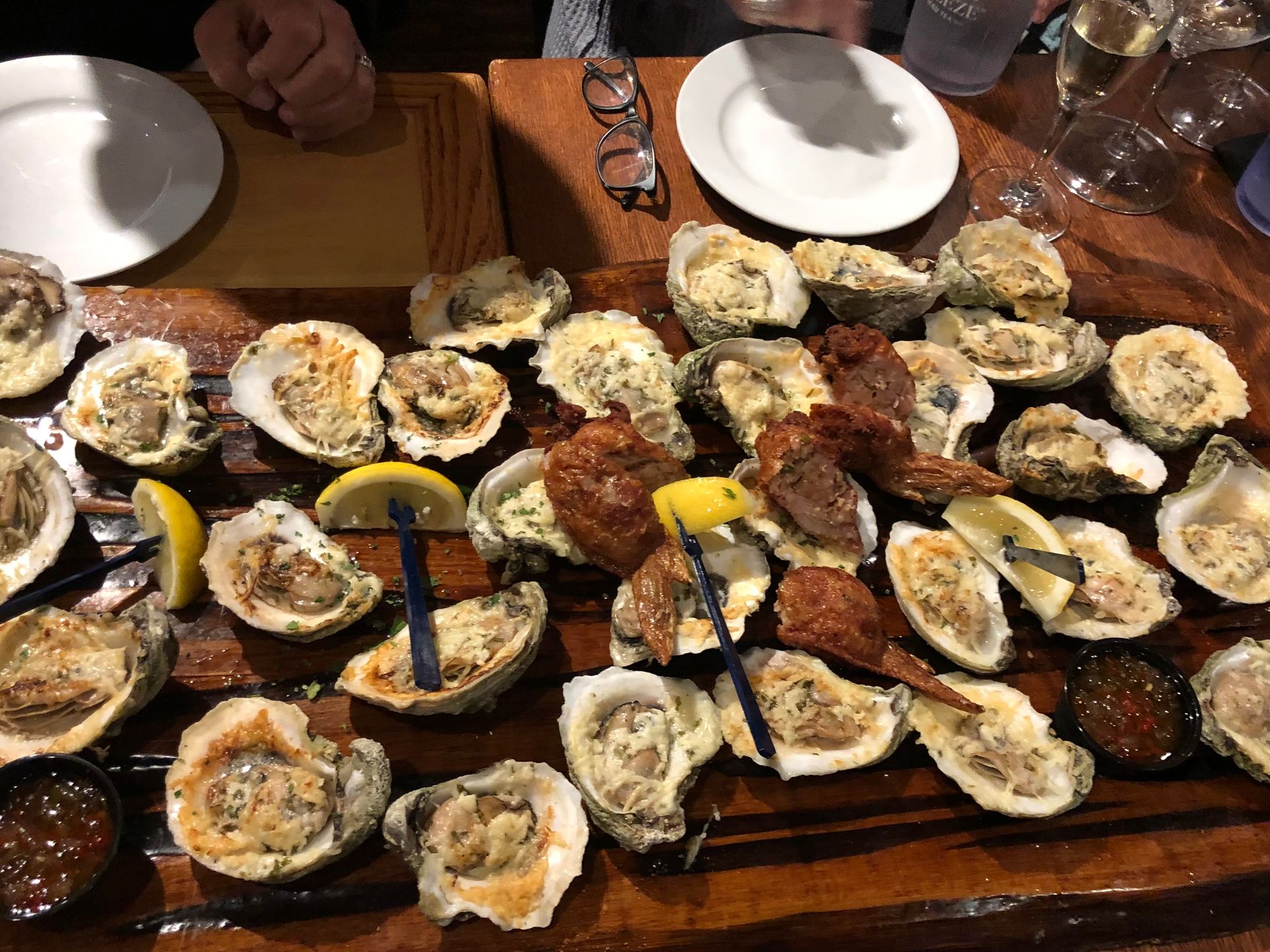
Not the formal stuff. Not the bottle you save for a toast and then forget about. The everyday kind, cold, poured right next to dinner, outside, while the evening is still warm. Grower champagne does this better than the big houses. The bottles are more vinous, more tied to a single piece of land, more flexible at the table than most large-house non-vintage blends. That makes them built for summer eating. Here's how the people who make it actually eat in July. M. runs the kitchen. She's the chef in this family. I pour.
June 2, 2026
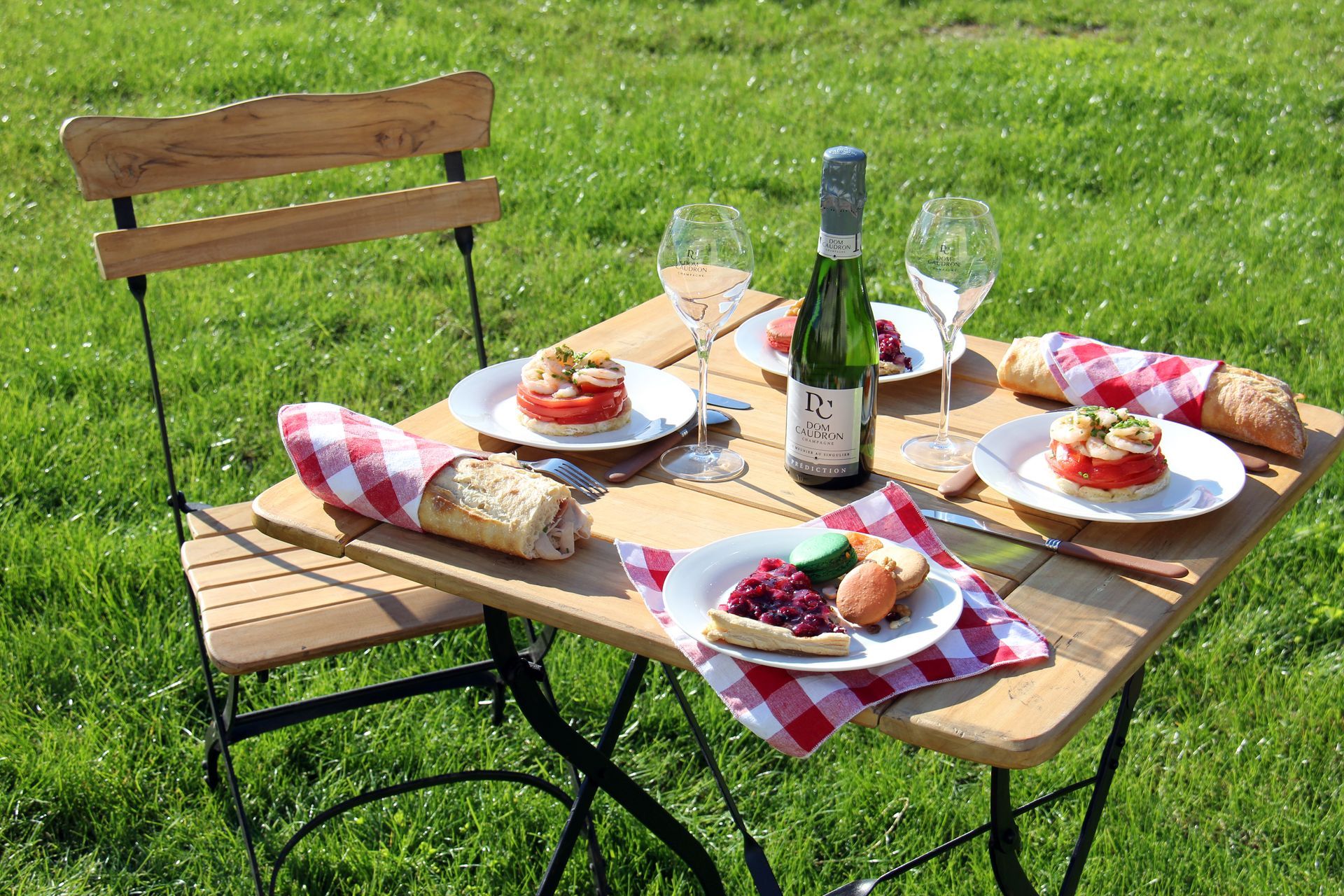
Boats, porches, picnics, cookouts — champagne handles summer better than anything in the cooler. Here's what to pour, what to pair, and why the occasion is enough.

May 5, 2026
Flowers are fine. A bottle of grower champagne is better. Here's how to choose the right one for Mother's Day — and why opening it together is the real gift.
Show More

Happy Hour

for Your Inbox

Newsletter